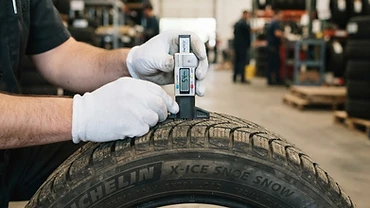
Tire Facts: Understanding Tire Noise
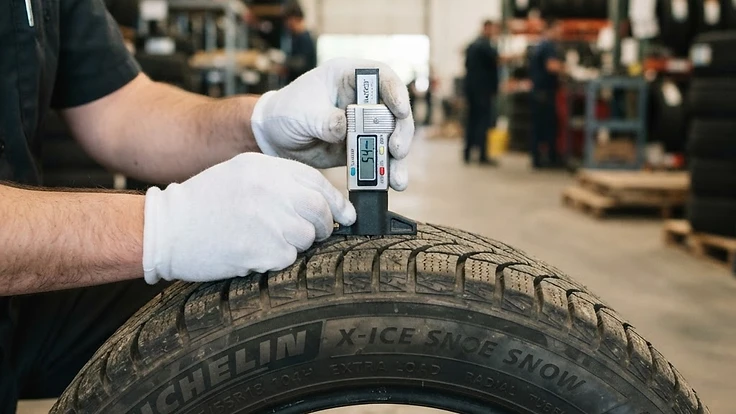
From urban noise regulations to tread design, understand why noise levels matter for your commercial fleet operations.
Tire noise is far more than just an aesthetic annoyance; it is a critical indicator of tread design efficiency, road contact, and even potential uneven wear. With many urban areas now implementing strict noise-pollution regulations for commercial trucks, understanding how your tires contribute to the decibel level of your fleet is more important than ever for a modern logistics business. ## Factors Contributing to Tire Noise Several variables influence how much noise your tires produce on the road: - Tread Pattern: Aggressive, chunky mud or heavy-duty treads are inherently louder due to air movement within the blocks. - Road Surface: Porous, rough surfaces often increase air-pumping noise significantly. - Wear Patterns: As tires begin to wear unevenly, they often develop a distinct 'whining' sound at highway speeds, a warning sign that rotation or alignment is needed. ## Balancing Traction and Quietness Selecting the right tire involves a delicate balance between traction, which often requires a more aggressive design, and noise levels. For urban delivery fleets that frequent residential areas, choosing a tire that meets your performance needs while keeping noise to a minimum is a key part of maintaining operational compliance. At T.K.M. Auto Tire Co., we provide detailed technical specifications for our tires, including decibel ratings. This transparency allows you to make an informed choice that balances your need for traction with the regulatory and operational requirements of your urban routes. Let us help you find the quiet, efficient performance your fleet requires.
Sourcing tires for your market?
We export full container loads of 20+ global brands from Thailand to any port worldwide — with factory-direct pricing and numbered proforma invoices.