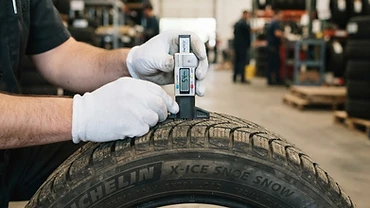
Tire Facts: Understanding Tread Patterns

Understanding tread patterns is crucial for matching the right tire to your customer. Here is our guide to symmetrical, directional, and asymmetrical designs.
Performance Applications of Tread Patterns
Not all tread patterns are created equal, and knowing the difference is key to providing expert advice to your retail or fleet customers. Symmetrical patterns remain the industry standard for everyday passenger comfort and long tread life. Directional treads, however, are specifically designed to channel water away from the contact patch, making them essential for high-performance vehicles using brands like Toyo or Nitto.
Helping Customers Choose the Right Tire
Asymmetrical designs offer a hybrid approach, combining performance handling with all-season comfort. By understanding the intended use of your stock, your sales team can recommend the correct tires to retail buyers and fleet managers who prioritize specific driving conditions over general utility. Key areas to focus on when educating your buyers:
- Symmetrical: Best for high-mileage, budget-conscious daily drivers.
- Directional: Ideal for high-performance and wet-weather driving applications.
- Asymmetrical: The versatile choice for mixed-condition performance.
Enhancing Customer Satisfaction
Train your sales team to ask customers about their driving environment before making a recommendation. Matching the tread pattern to the customer's specific needs results in higher satisfaction and significantly fewer product returns. Practical Takeaway: Use our technical guides to train your sales staff so they can act as trusted consultants for your retail partners.
Sourcing tires for your market?
We export full container loads of 20+ global brands from Thailand to any port worldwide — with factory-direct pricing and numbered proforma invoices.