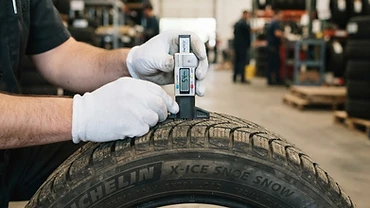
Tire Facts: The Importance of Tread Patterns
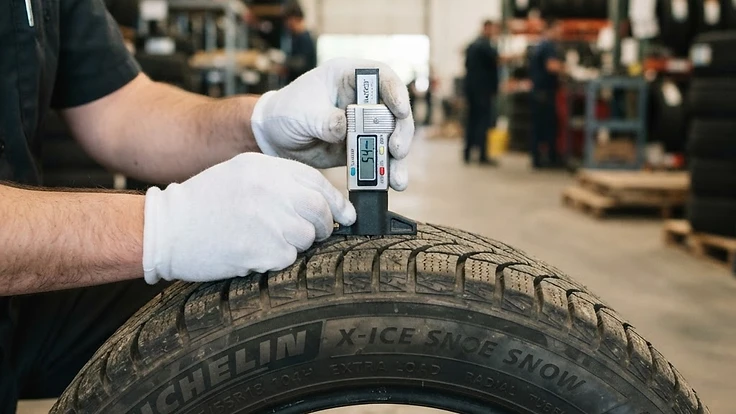
Tread patterns define tire performance. Learn how to guide your customers to the perfect choice for their local conditions.
Design That Delivers Performance
A tire's tread pattern is a precision-engineered functional map, not merely an aesthetic choice. Whether it is an asymmetrical, directional, or symmetric design, every groove, block, and sipe serves a distinct purpose: water evacuation, grip, noise reduction, or cooling. As a wholesale tire importer, understanding these differences is what allows you to act as a true expert for your clients.
The Function of Tread Engineering
- Wet Weather Traction: Deep, longitudinal grooves act as efficient channels, rapidly moving water away from the contact patch to prevent dangerous hydroplaning.
- Noise Reduction: Advanced manufacturers use randomized pitch sequences to disrupt sound wave patterns, resulting in a quieter ride at high speeds.
- Performance and Stability: Tread blocks and sipes are tuned to provide the mechanical grip necessary for stable cornering and efficient acceleration.
Matching Tires to Local Climates
Your inventory strategy must align with your region’s specific weather patterns. Does your market suffer from monsoon-heavy seasons, or is it primarily arid? Does it require all-season capability or winter-specific compounding? We are here to help you select the exact tread configurations required to meet your customers' needs. Don't just sell rubber; sell performance solutions.
Takeaway: Keep a technical cheat-sheet handy that categorizes your current stock by tread function; it will help your sales team close deals faster.
Sourcing tires for your market?
We export full container loads of 20+ global brands from Thailand to any port worldwide — with factory-direct pricing and numbered proforma invoices.