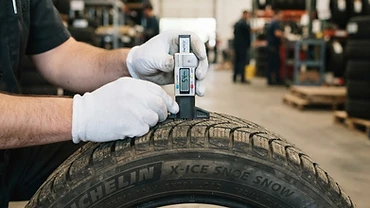
Tire Aging: Myths and Realities for Wholesalers
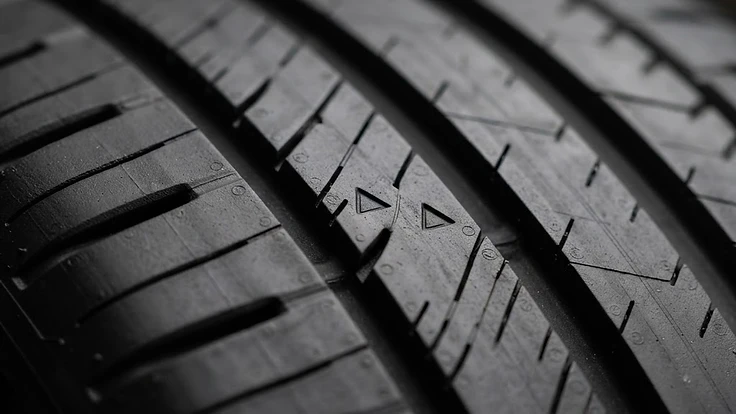
Separating myth from fact: Learn the best practices for tire storage and inventory management to ensure your stock stays fresh and ready for sale.
A common concern from our partners is the shelf life of new tires. In an industry where quality is non-negotiable, it is vital to separate myths from reality. It is a widespread misconception that tires begin to degrade significantly after just a few months in a warehouse. When stored properly, tires maintain their full structural and chemical integrity for years. ## Optimizing Your Storage Environment To keep your inventory in top condition, you must control the environment. Tires should be kept in a cool, dry place, away from direct sunlight, ozone sources, and extreme heat. By maintaining these conditions, you preserve the chemical properties of the rubber, ensuring that the tires perform exactly as the manufacturer intended when your customers finally mount them. ## Best Practices for Inventory Management We utilize a 'First-In, First-Out' (FIFO) system at our Bueng Kan facility to ensure your stock remains fresh. We encourage our wholesale partners to adopt similar strategies: * Ensure your warehouse is well-ventilated and climate-controlled. * Rotate your stock regularly to ensure older inventory is sold first. * Keep tires off the floor, ideally on clean, dry pallets. By managing your storage with precision, you protect your inventory and maintain your reputation for quality. When your customers receive a tire that looks and performs like it just came off the factory floor, your business wins. Let us help you maintain that standard of excellence.
Sourcing tires for your market?
We export full container loads of 20+ global brands from Thailand to any port worldwide — with factory-direct pricing and numbered proforma invoices.