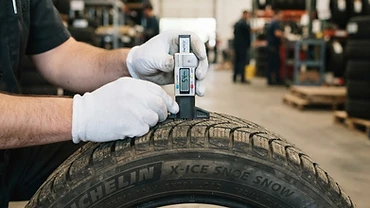
The Impact of Cold Weather on Tire Performance
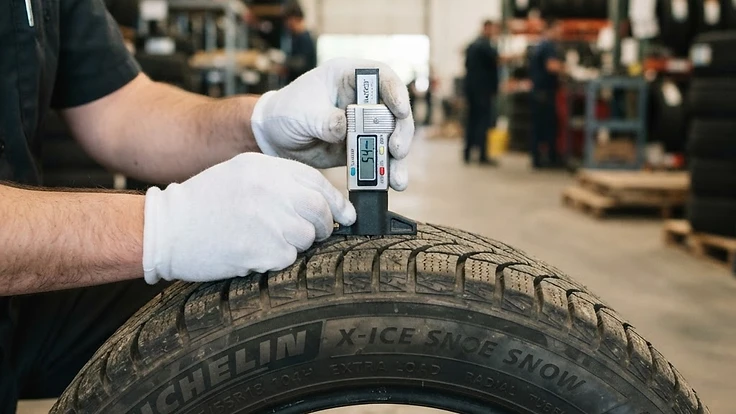
Cold weather changes everything. Ensure your stock is ready for seasonal demand by understanding the impact of temperature on tire performance.
When Temperature Changes, Performance Follows
If you operate in a region where temperatures drop, you know that tire performance is not a static constant. As the mercury dips below 7°C (45°F), the rubber compounds in standard tires begin to harden, leading to a significant loss of grip and safety. At T.K.M. Auto Tire Co., Ltd., we emphasize the importance of seasonal stock management because we know that the safety of your customers depends on the right tool for the climate.
The Science of Cold-Weather Compounds
Winter and all-season tires are engineered differently. They contain higher concentrations of silica and specialized polymers that allow the rubber to remain pliable, even in sub-zero temperatures. This pliability allows the tread to conform to the road surface, providing the necessary traction to prevent accidents in cold, icy, or snowy conditions.
Planning for Seasonal Spikes
Retailers who fail to stock these items early often find themselves missing out when the first cold snap hits. As a wholesale exporter, we recommend a proactive approach to your inventory:
- Analyze Seasonal Cycles: Don't wait for the cold to arrive. Plan your orders 3-4 months in advance.
- Secure Your Supply: When global demand spikes, supply chains get tight. Booking your full-container load early ensures you are protected from shortages.
- Consult Our Experts: We help our partners forecast demand based on regional climate data and previous sales trends.
Whether you are catering to passenger car fleets or light commercial vehicles, we provide a wide selection of winter-ready tires to keep your customers moving safely. If your market is heading into the colder months, contact us today to secure your inventory and stay ahead of your competition.
Sourcing tires for your market?
We export full container loads of 20+ global brands from Thailand to any port worldwide — with factory-direct pricing and numbered proforma invoices.