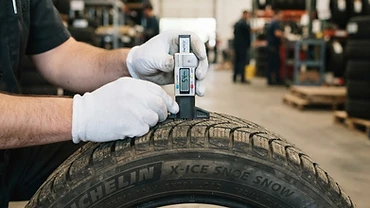
How Weather Influences Tire Pressure

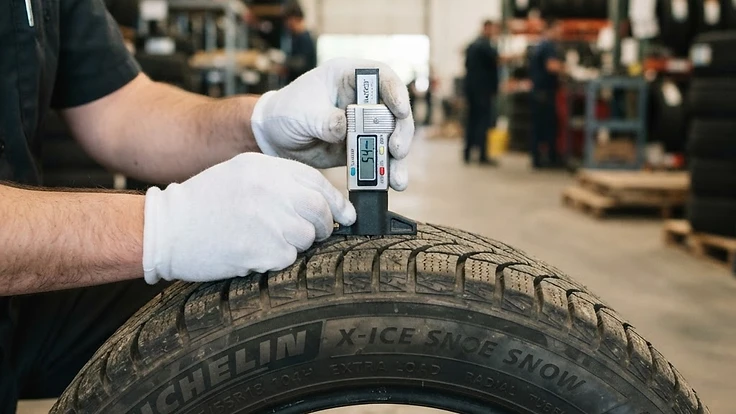
Discover how ambient temperature impacts PSI and why regular maintenance is the secret to longer tire life and happier fleet clients.
As a tire importer, your clients rely on your expertise to keep their fleets running safely and efficiently. One of the most overlooked factors in tire maintenance is the direct relationship between ambient temperature and tire pressure. At T.K.M. Auto Tire, we want to help you educate your market on these basics to build trust and brand loyalty. ## The Science of Temperature and PSI Rubber is a thermal-sensitive material, and the air trapped inside a tire reacts predictably to the environment. A fundamental rule of thumb is that for every 10 degrees Fahrenheit (approximately 5.5 degrees Celsius) drop in ambient temperature, tire pressure typically decreases by 1 PSI. While this might seem marginal, cumulative pressure loss over a winter season leads to increased rolling resistance, fuel waste, and uneven tread wear. ## Maintaining Fleet Health and Efficiency To prevent premature wear, advise your clients to implement a monthly inflation check program. Proper inflation is the single most effective way to ensure tires reach their full mileage potential. Encouraging this habit not only boosts the performance of the wholesale tires you supply but also reduces total cost of ownership for your customers. By positioning yourself as a knowledgeable partner rather than just a supplier, you enhance your reputation. Remind your clients that a quick pressure check is a small effort that yields significant savings in fuel and replacement costs.
Sourcing tires for your market?
We export full container loads of 20+ global brands from Thailand to any port worldwide — with factory-direct pricing and numbered proforma invoices.