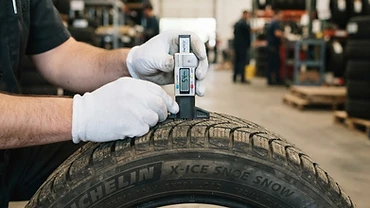
How Humidity Affects Stored Rubber
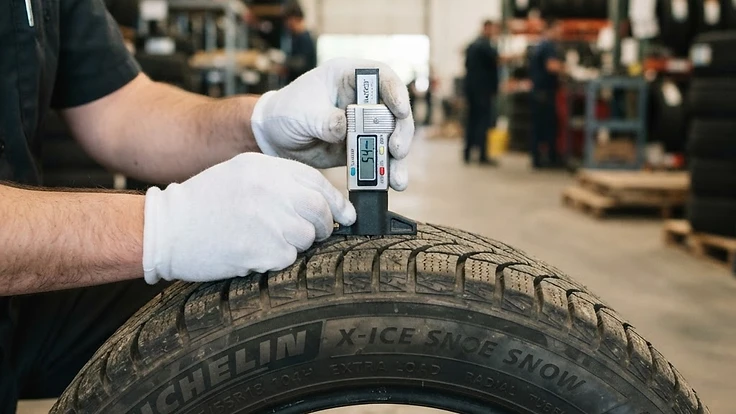
Your tire inventory is a major financial asset. Protect it from environmental damage with these expert warehouse storage tips.
Tires are surprisingly resilient products, but they are not indestructible. Improper storage can accelerate the degradation of rubber compounds, drastically shortening the shelf life of your stock. As a wholesale tire exporter, we see how environmental conditions impact tires long before they ever hit the road. ## Why Storage Environment Matters High humidity combined with fluctuating temperatures can lead to compound oxidation, potentially causing cracking and reducing the flexibility of the sidewall. To protect your investment, we recommend a disciplined approach to warehouse management: * Keep it cool, dark, and dry: UV light and heat are the primary enemies of rubber. * Maintain distance from ozone: Keep tires away from electric motors, compressors, and ozone-producing office equipment. * Rotation policy: Practice 'First In, First Out' (FIFO) to ensure your oldest stock is sold first. ## Protecting Your Brand Reputation Your customers expect fresh, high-quality tires when they buy from you. Proper storage ensures that your inventory remains in showroom condition, protecting both your investment and the safety of the end-user. When you deliver a tire that has been stored perfectly, you are building a reputation for reliability that will keep your customers coming back to you. ## The Value of Professional Logistics We take immense pride in our warehouse standards in Bueng Kan, ensuring that every container we export is packed with tires that have been handled with care. Practical Takeaway: Implement a climate-controlled or well-ventilated storage area and audit your inventory biannually to ensure your oldest tires are moved through your supply chain first.
Sourcing tires for your market?
We export full container loads of 20+ global brands from Thailand to any port worldwide — with factory-direct pricing and numbered proforma invoices.