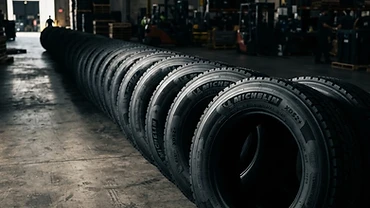
Understanding Ply Rating on Industrial Tires
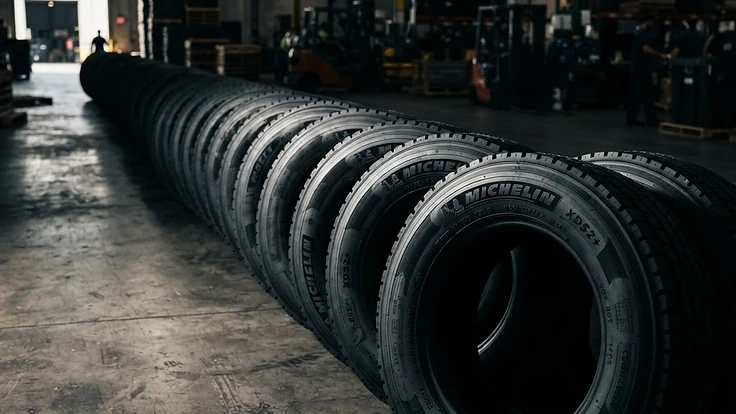
Demystify ply ratings to ensure safety and precision when sourcing heavy-duty industrial tires for your fleet clients.
Decoding the Ply Rating
For industrial and agricultural tire importers, the 'ply rating' is a term that often causes confusion. Historically, it referred to the actual number of layers of cotton cord in the tire casing. In today's market, it acts as an index representing the tire's load-carrying capacity compared to older bias-ply standards. Navigating this technical aspect is crucial for providing your clients with the right solutions for their specific heavy-duty equipment.
Why Ply Rating Matters
Understanding this rating is a vital component of safety and performance. A higher ply rating signifies a stronger, thicker casing that can withstand heavier loads and more rigorous impacts in demanding environments. However, there are trade-offs to consider:
- Structural Strength: Higher ratings prevent casing failure under massive weights.
- Heat Buildup: Thicker carcasses can retain more heat, which must be accounted for in high-speed or long-duration applications.
- Flexibility: A tire with an overly high rating for the load may be too stiff, reducing traction and comfort.
Practical Takeaway
Always verify that the ply rating matches your equipment's specific operating requirements. Using an under-rated tire is a safety hazard, while an over-rated tire may not perform as expected. When ordering your next container load, ensure your documentation clearly specifies the load requirements to guarantee your inventory meets the demands of your industrial customers.
Sourcing tires for your market?
We export full container loads of 20+ global brands from Thailand to any port worldwide — with factory-direct pricing and numbered proforma invoices.