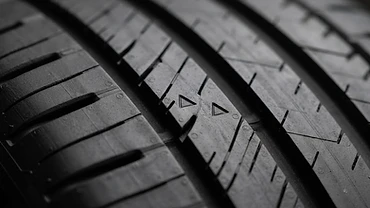
Tire Tread Patterns: More Than Just Aesthetics
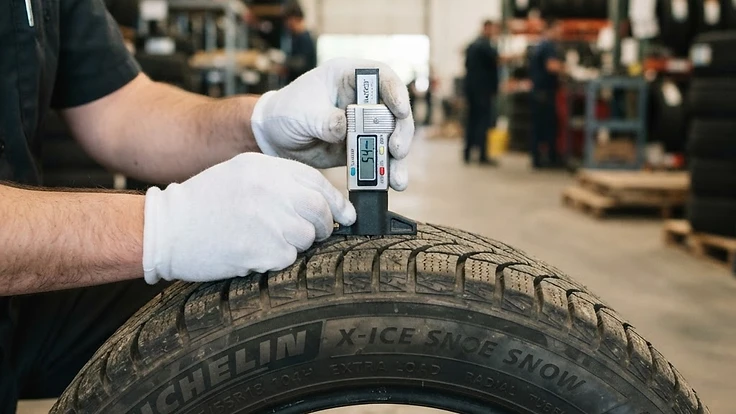
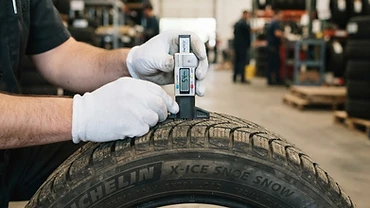
Tread patterns are more than just design. Learn the engineering behind them to better advise your clients on the perfect tire for their vehicle.
The tread pattern is the only point of contact between a vehicle and the road. Understanding the engineering behind these patterns allows you to provide expert guidance to your clients, helping them choose the right tire for their specific needs rather than just picking a design that looks good. ## Decoding Tread Design Engineering There are three primary categories of tread patterns, each designed for specific performance outcomes: * Symmetrical: These offer quiet performance, even wear, and long life. They are the ideal choice for daily commuters who want a reliable, hassle-free tire. * Asymmetrical: These combine different designs on the inner and outer tread. This allows for superior cornering stability and grip, making them popular for sports cars and high-performance vehicles. * Directional: Specifically engineered to channel water away from the center to prevent hydroplaning, these are essential for drivers in wet or rainy climates. ## Enhancing Your Retail Value Knowing which pattern suits which vehicle type is crucial for professional tire retailing. By taking the time to explain these engineering differences to your clients, you transform from a simple supplier into a trusted advisor. Whether your customer drives a family sedan, a luxury sports car, or a heavy commercial truck, matching the correct tread pattern to their driving environment ensures the safety and performance they expect. Make sure your inventory reflects a range of these patterns to stay competitive in a knowledgeable market.
Sourcing tires for your market?
We export full container loads of 20+ global brands from Thailand to any port worldwide — with factory-direct pricing and numbered proforma invoices.