Synthetic Rubber Price Trends and Their Impact
Synthetic rubber prices are fluctuating. Discover how these market shifts impact wholesale tire costs and how to hedge your inventory strategy.
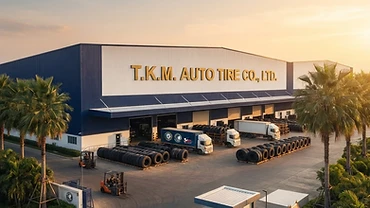
As a global tire importer, you likely track market volatility, but a key factor often overlooked is the direct link between global crude oil prices and synthetic rubber manufacturing. Because synthetic rubber is a petroleum derivative, its production costs are inherently tied to energy markets. ## How Rubber Costs Affect Your Bottom Line When crude oil prices surge, the production cost of the synthetic components essential to both entry-level and high-performance tires rises. This creates a ripple effect that eventually reaches the wholesale tire level. At T.K.M. Auto Tire Co., Ltd., we monitor these upstream indicators to provide our partners with informed procurement advice. Understanding these cycles allows you to anticipate pricing shifts before they impact your regional retail margins. ## Hedging Against Volatility We recommend a balanced portfolio strategy to help our partners hedge against these cost fluctuations. By diversifying your container loads, you can mitigate the risk of sudden price jumps: * Mix premium brands (e.g., Continental, Dunlop) with high-value alternatives (e.g., Sailun, Giti). * Monitor manufacturing supply alerts to time your high-volume orders. * Utilize our expert market analysis to plan purchases when costs are stable. We prioritize transparency with our clients, providing contextual updates whenever pricing shifts in the manufacturing pipeline. By staying informed, you can optimize your wholesale budget and ensure long-term growth even in a volatile economic climate.
Sourcing tires for your market?
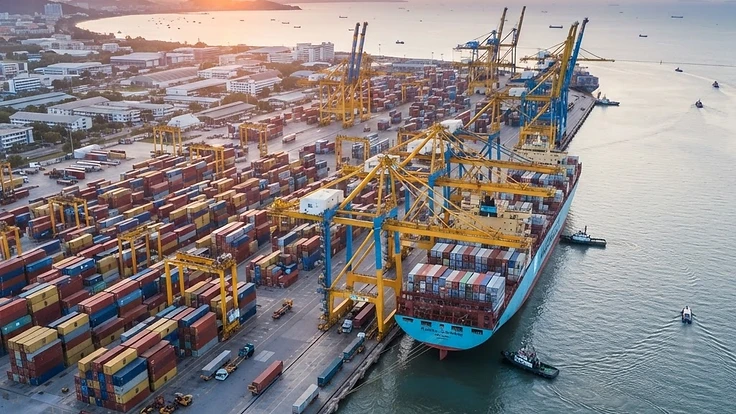
We export full container loads of 20+ global brands from Thailand to any port worldwide — with factory-direct pricing and numbered proforma invoices.