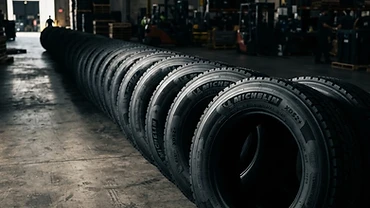
Sidewall Damage: To Repair or Replace?
Sidewall damage is more than a scratch—it's a potential safety hazard. Learn the industry standards for replacement to protect your clients.
The sidewall is the most vulnerable part of a tire, yet it is often the most misunderstood by fleet operators. Unlike the thick, reinforced tread area, the sidewall is designed for flexibility, which makes it highly susceptible to structural failure. When it comes to sidewall damage, the rule of thumb for B2B importers is simple: when in doubt, replace it. ## A Decision Framework for Your Clients To keep your fleet clients safe, share this clear guidance on managing sidewall damage: * Bulges or Blisters: These are a sign of internal structural failure. The tire is compromised and must be replaced immediately. * Minor Surface Scuffs: While unsightly, these are generally safe, but they should be monitored during every regular maintenance check. * Deep Cuts or Exposed Cords: If the casing is damaged, the tire's structural integrity is gone. A blowout is imminent. Replace immediately. ## Prioritizing Safety Over Cost We know that tire replacement is a major expense, but safety must always come first. By educating your clients on these standards, you prevent roadside accidents and build long-term trust in your professionalism. At T.K.M. Auto Tire Co., we emphasize the importance of these safety protocols with all our partners. When you maintain these high standards, you ensure that your fleet clients stay productive and safe on the road.
Sourcing tires for your market?
We export full container loads of 20+ global brands from Thailand to any port worldwide — with factory-direct pricing and numbered proforma invoices.