Handling Heavy-Duty Tires: Best Practices for Your Warehouse
Safety is paramount when handling heavy-duty industrial tires. Follow these warehouse best practices to protect your team and your inventory.
Prioritizing Warehouse Safety
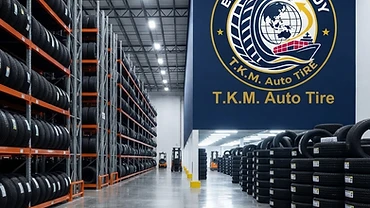
Handling heavy-duty tires for earthmoving and agricultural equipment is an operation that requires strict adherence to safety protocols. At T.K.M. Auto Tire, we treat workplace safety with the highest priority, ensuring that every container of large-scale tires is handled with the appropriate equipment and caution. Protecting your team is not just a moral obligation; it is essential for maintaining efficient warehouse operations.
Essential Handling Guidelines for Your Team
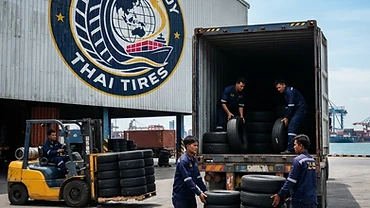
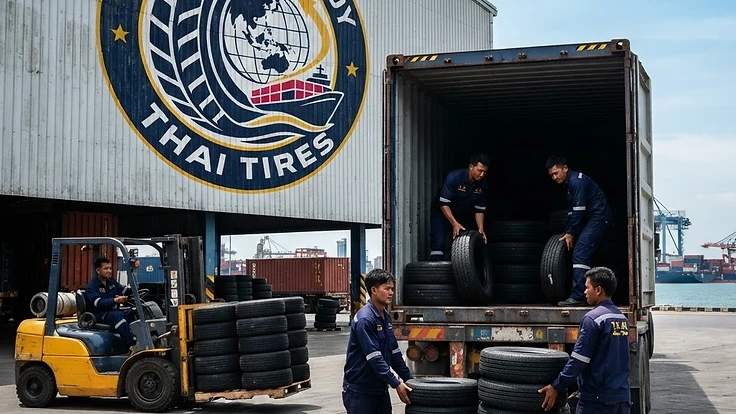
- Mechanical Lifting Only: Never roll heavy-duty tires vertically by hand. Always use forklifts, dedicated tire clamps, or mechanical lifts to move stock safely.
- Stacking Discipline: Adhere strictly to the manufacturer's recommended stack heights. Even if floor space is at a premium, exceeding these limits creates a major crushing hazard.
- Personal Protective Equipment (PPE): Ensure all personnel wear appropriate steel-toed boots, gloves, and visibility gear whenever they are working in the heavy-tire section.
Reducing Loss, Boosting Efficiency
Safe handling is the best insurance against product damage. Dropping a tire or having a stack collapse can lead to internal bead damage that isn't immediately visible but will cause a failure for the end-user. By investing in the right mechanical equipment and enforcing strict safety training, you reduce workplace accidents and ensure that the tires arriving at your facility remain in factory-perfect condition. Your warehouse is the backbone of your supply chain—keep it safe, and it will keep your business moving. Takeaway: Invest in proper handling equipment to ensure worker safety and prevent hidden structural damage to your heavy-duty tire inventory.
Sourcing tires for your market?
We export full container loads of 20+ global brands from Thailand to any port worldwide — with factory-direct pricing and numbered proforma invoices.