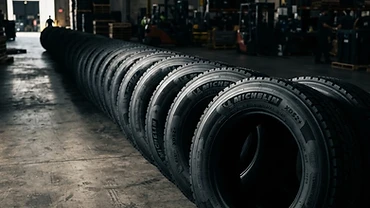
Best Practices for Long-Term Tire Storage

Protect your inventory investment by mastering these essential rubber storage protocols to prevent premature degradation and ensure customer satisfaction.
Protecting Your Inventory
Rubber is a delicate, perishable material that requires careful handling to maintain its structural integrity. For a tire importer, inventory is your primary asset; if improper storage leads to degradation, your margins and reputation suffer. To keep your wholesale tires in premium condition from the warehouse to the consumer, follow these critical storage guidelines:
- Temperature Control: Always store tires in a cool environment. Excessive heat accelerates the oxidation process, which can lead to premature cracking in the rubber compound.
- Light Management: Direct sunlight and high-intensity UV exposure are the enemies of rubber. Keep your warehouse well-ventilated and shielded from natural light to prevent surface deterioration.
- Ozone Prevention: Keep tires away from ozone-generating equipment, such as electric motors or industrial compressors, as ozone can cause severe rubber cracking.
- Active Rotation: Gravity is a constant force. Regularly cycle your oldest stock to ensure tires do not develop flat spots from sitting in the same position for too long.
The Bottom Line for Wholesalers
Following these simple protocols prevents inventory loss and ensures that your customers receive products that are fresh, safe, and ready for the road. Proper warehouse management is not just about logistics; it is a commitment to quality. By maintaining the integrity of your tires, you minimize returns and build long-term trust with your buyers. Ensure your facility is optimized today so your stock remains a high-value asset tomorrow.
Sourcing tires for your market?
We export full container loads of 20+ global brands from Thailand to any port worldwide — with factory-direct pricing and numbered proforma invoices.